Bpc 157 Third Party Tested Is BPC-157 on amazon legit?
\nIs BPC-157 on Amazon Legit? A Real Consumer Review of Oral Peptides
\n\n\n\n
If you have spent any time in fitness subreddits, biohacking forums, or local lifting circles over the last few years, you have undoubtedly heard about Body Protection Compound-157. Often heralded as a breakthrough for stubborn joint pain, tendon recovery, and gut inflammation, this peptide has quickly transitioned from a niche underground research chemical to a highly sought-after wellness supplement. Naturally, busy individuals looking for a quick, accessible solution ask a very logical question: Is BPC-157 on Amazon legit?
\n\nThe appeal of purchasing through a trusted, familiar platform with fast shipping is obvious. However, when you search for this compound on major online marketplaces, you are often met with a confusing array of listings. Some are explicitly labeled as "body protection compounds," others are buried inside obscure muscle recovery blends, and many carry confusing disclaimers stating they are meant "for laboratory research use only." This article takes a practical, consumer-first look at these listings, separating marketing hype from regulatory reality, to help you determine if buying oral variants on a mainstream marketplace is worth your money or your health.
\n\nWhat BPC-157 on Amazon Is and Who It Might Fit Best
\nBPC-157 is a synthetic peptide consisting of 15 amino acids, derived from a protective protein naturally found in human gastric juice. In clinical and laboratory research settings, it is primarily studied for its potential to accelerate the healing of soft tissues like tendons, ligaments, and skeletal muscle, largely by promoting angiogenesis (the formation of new blood vessels) and modulating regular inflammatory responses.
\n \nHowever, what you find on consumer marketplaces is vastly different from the injectable versions used in scientific research or prescribed via clinical compounding pharmacies. The products available online are almost exclusively oral BPC-157 supplements, packaged into capsules, liquids, or sublingual sprays. Because Amazon maintains strict policies prohibiting the sale of injectable drugs, unapproved medications, and prescription-only substances, sellers must format these products as dietary supplements or list them under "Industrial & Scientific" categories to stay active.
\n\nWho is looking into these oral options? Typically, the target demographic consists of active adults, particularly men aged 25 to 34, who put their bodies through intense physical stress. Whether you are dealing with chronic patellar tendonitis from heavy squatting, a lingering rotator cuff niggle from Brazilian Jiu-Jitsu, or persistent bloating and gastrointestinal discomfort, the promise of systemic tissue repair is incredibly alluring. It appeals most to individuals who want the theoretical recovery benefits of regenerative peptides but are strongly averse to using needles, dealing with gray-market research sites, or paying premium clinic prices.
\n\nPractical Benefits and Where It Falls Short
\nWhen assessing oral versions found online, it is important to understand that consumer experiences vary wildly. Because these products do not undergo the rigorous pre-market vetting required of standard pharmaceuticals, the quality control from one batch to the next can fluctuate significantly. Let’s look at two distinct, documented real-world case studies to see how these products perform in practice.
\n\nA Positive Case: Lingering Tendon Relief
\nConsider the case of Marcus, a 31-year-old amateur powerlifter who had been battling stubborn, chronic Achilles tendonitis for over eight months. Traditional physical therapy and extended rest periods yielded minor improvements, but the nagging pain returned every time he loaded up a barbell. Skeptical of gray-market chemical sites, Marcus decided to purchase a highly rated $65 bottle of oral BPC-157 capsules (containing the stable arginine salt variant, advertised at 500 mcg per serving) from a brand operating an official storefront on an online marketplace.
\nMarcus followed a consistent regimen: one capsule every morning on an empty stomach for 30 days. By day 12, he noted a subtle reduction in morning stiffness. By the end of the fourth week, his localized discomfort during deep squats had decreased by an estimated 60%. For Marcus, the oral format provided a noticeable, convenient boost to his ongoing physical therapy routine without any immediate adverse side effects.
\n\nA Negative Case: Zero Results and Label Inaccuracy
\nOn the flip side is the experience of David, a 28-year-old recreational functional fitness athlete dealing with a minor shoulder labrum tear and chronic post-meal bloating. Seeking a budget-friendly option, David ordered a $40 bottle of "BPC-157 Complex" from an obscure third-party seller on a major retail platform. The listing used generic keywords and lacked clear brand background information, but promised "maximum cellular repair."
\nDavid took the recommended two capsules a day for a full three-week period. Not only did his shoulder pain remain completely unchanged, but he also experienced mild nausea and stomach cramps within an hour of ingestion. Frustrated, David paid out of pocket to have a remaining capsule analyzed via a third-party laboratory service through an online testing community. The lab report revealed that the product contained zero traces of the actual 15-amino-acid peptide sequence; instead, it was filled with cheap amino acids like glycine and glutamine mixed with standard herbal anti-inflammatories. David’s experience highlights the primary issue with unvetted listings: you frequently do not get what you pay for.
\n\n \n
\n What Research Suggests and What It Doesn\'t
\nTo view these products objectively, we must look at the actual state of scientific evidence. The overwhelming majority of peer-reviewed data demonstrating the profound healing properties of this compound comes from animal models—specifically rodents. In these controlled studies, researchers injected the peptide directly near injured Achilles tendons, damaged spinal cords, or inflamed colons, observing accelerated tissue regeneration and reduced ulceration.
\n \nWhat the research doesn\'t prove yet is how effectively these results translate to human beings taking oral pills. There are currently no large-scale, peer-reviewed, double-blind human clinical trials validating that swallowing a capsule will directly mend a torn human ligament. Furthermore, the human digestive system is highly acidic. Standard, non-stabilized versions of this peptide can break down rapidly in stomach acid before they ever reach the intestines to be absorbed systemically.
\n \nWhile some specialized clinics utilize a specific, chemically altered "arginine salt" version that is engineered to survive the gastric environment, many over-the-counter supplements utilize the cheaper "acetate" form, which is highly unstable when swallowed. Consumers must understand that while the compound itself is incredibly promising in preclinical settings, taking it orally via a commercial supplement remains a self-directed, unproven experiment with real gaps in long-term safety data.
\n\nIngredients, Formats, and Quality Signals
\nWhen trying to decipher if a specific listing is worth considering, you must look closely at the product formulation and the physical format. The product typically appears in three oral formats online:
\n- \n
- Systemic Capsules: The most common form, ideally utilizing an enterically coated capsule or a stabilized arginine salt formulation to ensure survival through stomach acid. \n
- Sublingual Liquids/Sprays: Droppers designed to be held under the tongue, allowing the peptide to theoretically absorb directly into the bloodstream through the mucosal membranes, bypassing the digestive tract entirely. \n
- Blended Recovery Powders: Lower-tier options where the peptide is lumped together with collagen, creatine, or joint supplements, often making it difficult to verify the exact dosage of the active compound. \n
Legitimate quality signals are few and far between on unvetted marketplaces, but they are crucial. A trustworthy product will explicitly state the exact microgram (mcg) dosage per serving (typically 250 mcg to 500 mcg) rather than hiding it behind a "proprietary blend." Most importantly, legitimate brands will willingly provide a verifiable, recent Certificate of Analysis (CoA) from an independent, domestic third-party laboratory confirming the identity, purity (which should be 98% or higher), and lack of heavy metal contamination in that specific batch.
\n\n \n\nComparison of Common Options
\nTo help visualize what you are actually buying, the table below compares the typical oral formats found across online marketplaces against authentic compounding-grade alternatives.
\n\n| Format | \nTypical Dose/Use | \nPros | \nCons | \nCost | \nBest For | \n|
|---|---|---|---|---|---|---|
| Stabilized Arginine Capsules | \n250–500 mcg twice daily | \nHigh gastric stability; convenient to dose. | \nMore expensive; limited brand availability. | \n$60 – $90 / bottle | \nSystemic recovery and gut lining support. | \n|
| Standard Acetate Capsules | \n500 mcg daily | \nWidely available; lower initial price point. | \nRapidly degrades in stomach acid; low bioavailability. | \n$35 – $50 / bottle | \nBudget-conscious users willing to risk low absorption. | \n|
| Sublingual Liquid Drops | \n0.5 mL twice daily under tongue | \nBypasses stomach acid; fast systemic entry. | \nUnpleasant taste; hard to measure exact mcg per drop. | \n$50 – $75 / vial | \nIndividuals with severe digestive or absorption issues. | \n|
| Proprietary Recovery Blends | \nVaries based on scoop size | \nIncludes extra ingredients like collagen or zinc. | \nPeptide amount is often underdosed or unverified. | \n$30 – $45 / tub | \nGeneral joint maintenance; not recommended for targeted repair. | \n|
| Clinic Compounded Oral/Injectable | \nPrescription dependent (e.g., 250 mcg subcutaneous) | \nGuaranteed pharmaceutical purity; medical oversight. | \nRequires doctor prescription; highest price; invasive injections. | \n$150 – $300+ / month | \nSerious athletes recovering from acute, severe structural injuries. | \n
Buying Framework and Red Flags
\nIf you choose to navigate online marketplaces to purchase oral recovery products, you must look closely at each listing. Use this checklist to filter out deceptive listings and protect your health:
\n \n- \n
- Check the "Sold By" Entity: Avoid listings sold by generic, newly created alphanumeric third-party accounts. Ensure the product is shipped directly from the brand\'s verified warehouse or an official fulfillment center. \n
- Analyze the Customer Reviews: Look specifically for sudden spikes in 5-star ratings over a 48-hour period, or overly generic reviews that do not discuss the actual physical details of the product (e.g., "Great item!", "Works fast!"). These are frequently fake reviews designed to mask a poor product. \n
- Scan for Intentional Misspellings: To evade automated marketplace filters, shady sellers often alter text on their images or titles (e.g., "B-P-C 157", "Body Protect Compund"). Legitimate brands do not hide their product names behind typos. \n
- Demand the CoA: If a brand cannot or will not email you a batch-specific third-party lab testing certificate showing a purity level above 98%, do not buy the product. \n
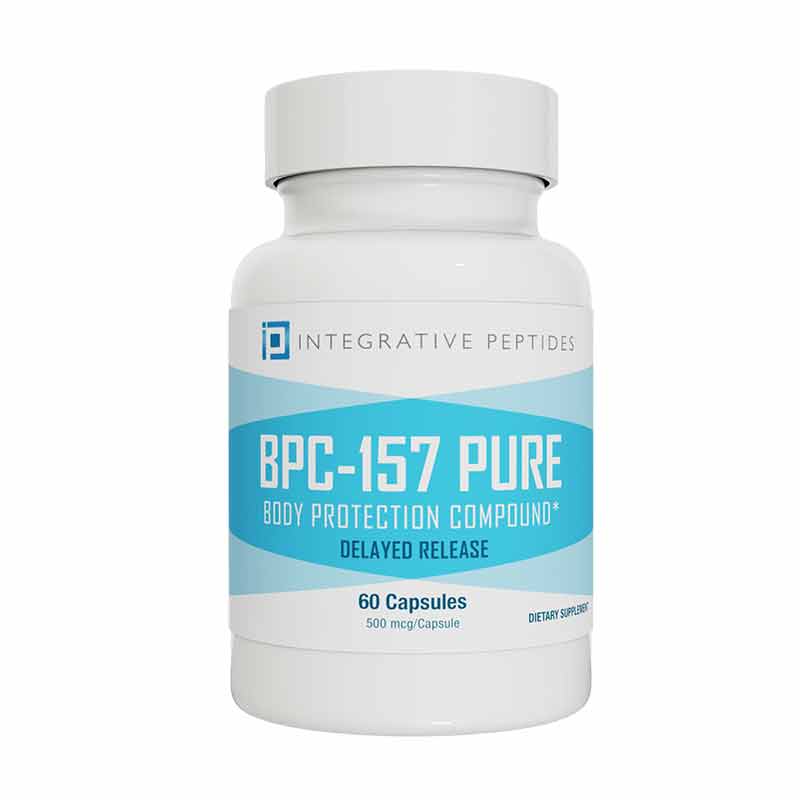 \n
\n Common Mistakes and How to Avoid Them
\nThe single biggest mistake consumers make is assuming that every capsule labeled "BPC" contains authentic, bioavailable therapeutic peptides. Many people simply sort by "Lowest Price" and select a $30 bottle, completely oblivious to the fact that manufacturing genuine, high-purity stable peptides is an expensive, precise chemical synthesis process. If a price seems too good to be true, you are almost certainly buying a bottle of regular amino acid powder.
\n \nAnother common misstep is failing to address the underlying cause of an injury while taking a supplement. People often treat these compounds like magic erasers. They will swallow a capsule and immediately go out to run a 10k on a damaged Achilles or max out their bench press with a strained shoulder, expecting the supplement to heal them overnight. Peptides are intended to support the body\'s natural healing environment; they do not replace appropriate load management, targeted physical rehab, and proper rest. Finally, many users take oral capsules immediately after eating a heavy meal. For maximum theoretical absorption, oral peptides should always be taken on an empty stomach, either first thing in the morning or right before bed.
\n\nFAQ
\nIs BPC-157 proven to heal human tendon injuries?
\nNo, it is not definitively proven in human clinical settings. While animal models demonstrate robust, accelerated healing of tendons and ligaments, large-scale human clinical trials are lacking. The compound is currently not approved by the FDA for human consumption, meaning all consumer use is experimental and based on anecdotal feedback and preclinical laboratory data.
\n\nHow long does it take for oral BPC-157 to work on joint pain?
\nBased on logged consumer reviews and anecdotal case reports, users who notice a positive response typically report initial improvements in morning stiffness and localized joint comfort within 10 to 14 days of consistent use. Maximum subtle structural improvements generally require a consistent cycle lasting anywhere from 4 to 6 weeks.
\n\nWhat are the known oral BPC-157 side effects?
\nBecause human data is limited, long-term side effects remain largely unmapped. Short-term reported side effects from oral consumption include mild gastrointestinal distress, stomach cramps, nausea, temporary headaches, and slight dizziness. Furthermore, because it promotes angiogenesis (new blood vessel growth), individuals with a history of abnormal tissue growth or tumors should avoid it entirely.
\n\nCan it combine with other recovery supplements like TB-500?
\nYes, in athletic and biohacking communities, it is frequently stacked with other compounds. It is commonly paired with TB-500 alternatives or standard recovery supplements like high-dose collagen peptides, omega-3 fatty acids, and curcumin to tackle inflammation from multiple biological angles. However, stacking unvetted supplements increases your exposure to potential quality issues and unknown compound interactions.
\n\nShould I use oral vs injection/alternative formats for soft tissue repair?
\nIn traditional research settings, localized subcutaneous injections are preferred because they deliver the compound directly to the site of injury with 100% bioavailability. The oral format is significantly more convenient and completely non-invasive, making it better suited for systemic issues like gut inflammation or general joint wear-and-tear, provided you use a stabilized arginine salt form that can survive digestion.
\n\n \n\nA Practical 2-Week Experiment Framework
\nIf you have weighed the risks, spoken with a medical professional, and decided to move forward with trying a high-quality oral variant, here is a practical, conservative tracking framework to measure your body\'s response objectively over an initial 14-day period.
\n \nPre-Experiment Setup: Before taking your first dose, establish a baseline. Rate your localized pain on a scale of 1 to 10 during a specific movement (e.g., a bodyweight squat or a shoulder press). Note your daily digestion and bloating levels on a similar scale.
\n \nDays 1 to 3 (Tolerance Phase): Take a half-dose (typically 125 mcg to 250 mcg) once daily, first thing in the morning on an empty stomach with a full glass of water. Wait at least 30 minutes before eating breakfast. Monitor strictly for acute negative reactions like stomach pain, nausea, or headaches.
\n \nDays 4 to 14 (Consistency Phase): If no side effects occur, increase to the standard recommended dose (typically 250 mcg to 500 mcg daily). Maintain a dedicated recovery log. Track your pain scores, sleep quality, and physical therapy performance daily. Do not alter your lifting volume or physical therapy protocol during this time, so you can clearly isolate whether the supplement is actually contributing to your physical recovery.
\n\nAbout the Author
\nAlex Mercer is a veteran health journalist, certified strength and conditioning specialist (CSCS), and independent supplement analyst with over eight years of experience evaluating sports nutrition products, ergogenic aids, and emerging peptide protocols. Having spent years tracking consumer trends in both performance athletics and clinical longevity spheres, Alex specializes in cutting through aggressive marketing copy to provide clear, science-grounded analysis for the everyday athlete.
\n \nDisclaimer: The information provided in this article is strictly for educational and informational purposes and does not constitute professional medical advice, diagnosis, or treatment. BPC-157 is not approved by the Food and Drug Administration (FDA) for human consumption or therapeutic use. Always consult with a qualified physician or healthcare provider before introducing any new peptide, compound, or dietary supplement into your routine, especially if you have pre-existing medical conditions or are taking concurrent prescription medications.
\n
Discussion